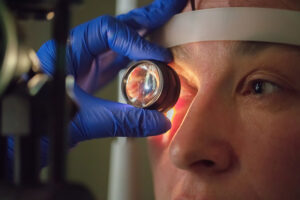
Macular degeneration, specifically age-related macular degeneration (AMD), is a common eye condition and a leading cause of vision loss in adults over the age of 60. It affects the macula, the central part of the retina which is responsible for sharp vision that is critical for tasks like reading, driving, and recognizing faces. Understandably, one of the most frequently asked questions from patients diagnosed with this condition is: Can macular degeneration be reversed?
Currently, there is no cure, and macular degeneration cannot be reversed, especially once significant damage to the retina has occurred. However, the answer is more nuanced depending on the type of AMD and how early it is diagnosed. Significant advances in treatment mean that vision loss can often be slowed, and in some cases, partially improved, especially with early intervention.
Dry AMD: This is the most common form, accounting for about 80% of cases. Generally, it progresses slowly and is characterized by the accumulation of protein deposits called drusen underneath the retina. More advanced cases of dry AMD may also be accompanied by thinning of the retina (atrophy). In dry AMD, the impact on vision may range from none to moderate to severe. While there is not believed to be a cure, longitudinal studies have shown that progression may be slowed by nutritional support, lifestyle modifications, and careful monitoring. A more recently approved potential therapy is photobiomodulation (PBM), which may both improve vision and retinal anatomic changes by delivering light that optimizes both retinal and retinal pigment epithelial cellular health. For patients with advanced dry AMD with geographic atrophy, intravitreal injections of complement inhibitors can arrest the rate at which atrophy progresses.
Wet AMD: While less common, wet AMD can be more aggressive, especially when left untreated. In wet AMD, abnormal blood vessels grow underneath the retina, and these blood vessels can leak fluid or blood, leading to anatomic changes in the retina which can result in rapid vision loss. When disease activity is detected and treated early, patients have a better visual outcome. The gold standard of treatment for wet AMD is intravitreal anti-VEGF (vascular endothelial growth factor) injections, which can stabilize and arrest the growth of these vessels. While vision losses can sometimes be reversed by prompt anti-VEGF treatment, it is important to understand that restoration of vision is not the same as reversal of the underlying disease process.
While we can’t currently “reverse” macular degeneration, early detection and proactive management can make a significant difference. Depending on the stage and type of AMD, treatment strategies may include:
The key to preserving vision is early detection and ongoing monitoring. Regular comprehensive eye exams allow your eye doctor to detect early signs of AMD, even before symptoms appear, and recommend appropriate interventions to help slow its progression.
Research into AMD treatments is ongoing and promising. Scientists are exploring options like gene therapy, stem cell treatments, and advanced retinal implants. While these aren’t widely available yet, they offer hope for more effective treatments, and possibly even reversal, in the future.
While macular degeneration cannot currently be reversed, you’re not powerless. With early diagnosis, appropriate treatment, and healthy lifestyle choices, you can help protect your vision and maintain a high quality of life. If you live in the Washington DC area and are experiencing any changes in your vision or are at risk for AMD, schedule a consultation and eye exam with the retina specialists at Washington Eye Physicians and Surgeons today.
© 2026 Washington Eye Physicians & Surgeons
The material contained on this site is for informational purposes only and is not intended to be a substitute for professional medical advice, diagnosis, or treatment. Always seek the advice of your physician or other qualified health care provider.